
The Conflict Between Winter and Spring
The Lion, the Witch and the WardrobeThe central conflict of the story: the Witch's eternal winter versus Aslan's restoring spring, symbolizing good vs. evil.
increasing Bearing strength in each event
 decreasing
Bearing strength in each eventdecreasingThe Witch's Winter
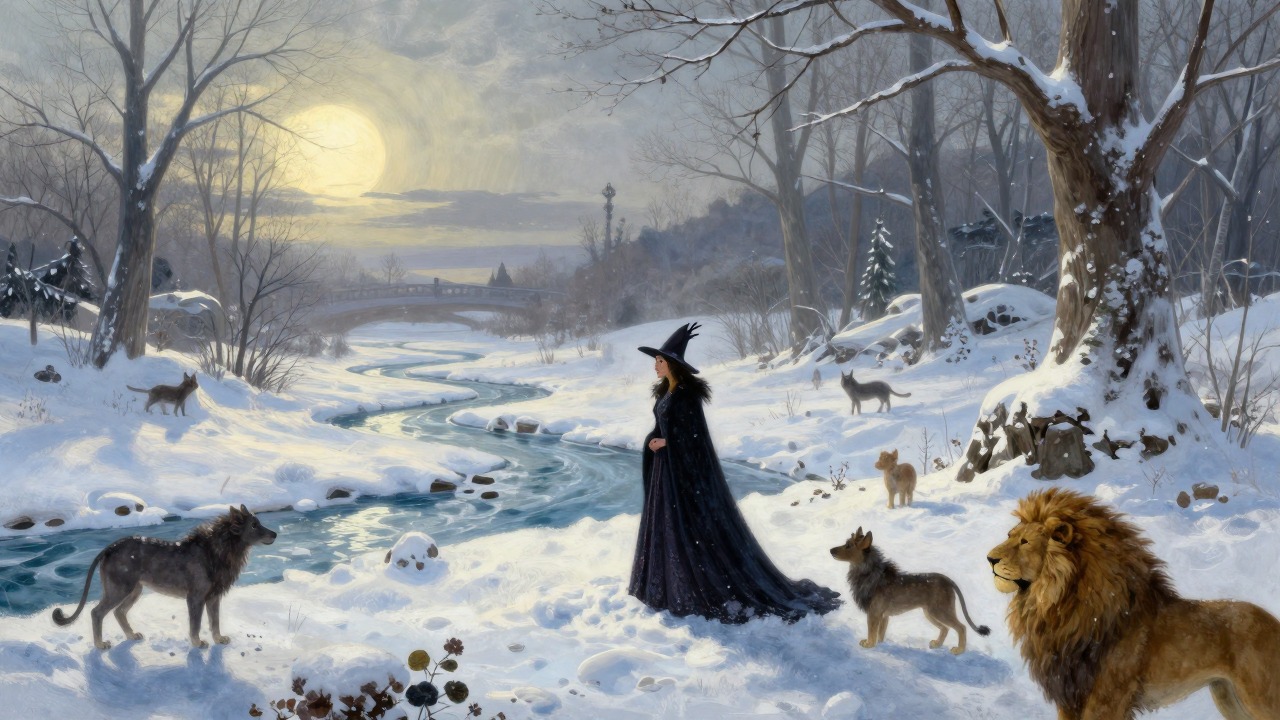
The Land of Endless Cold
The Snowy Landscape
Narnia is perpetually covered in snow. The rivers are frozen. The sun is pale. The land is barren.
The Oppression
The winter is a symbol of the Witch's tyranny. It is always winter, never Christmas. Joy and growth are suppressed.
The Animals' Suffering
The creatures are cold and hungry. The Witch's rule is lifeless. The winter is a physical manifestation of the spiritual state of the land.
The Thaw Begins
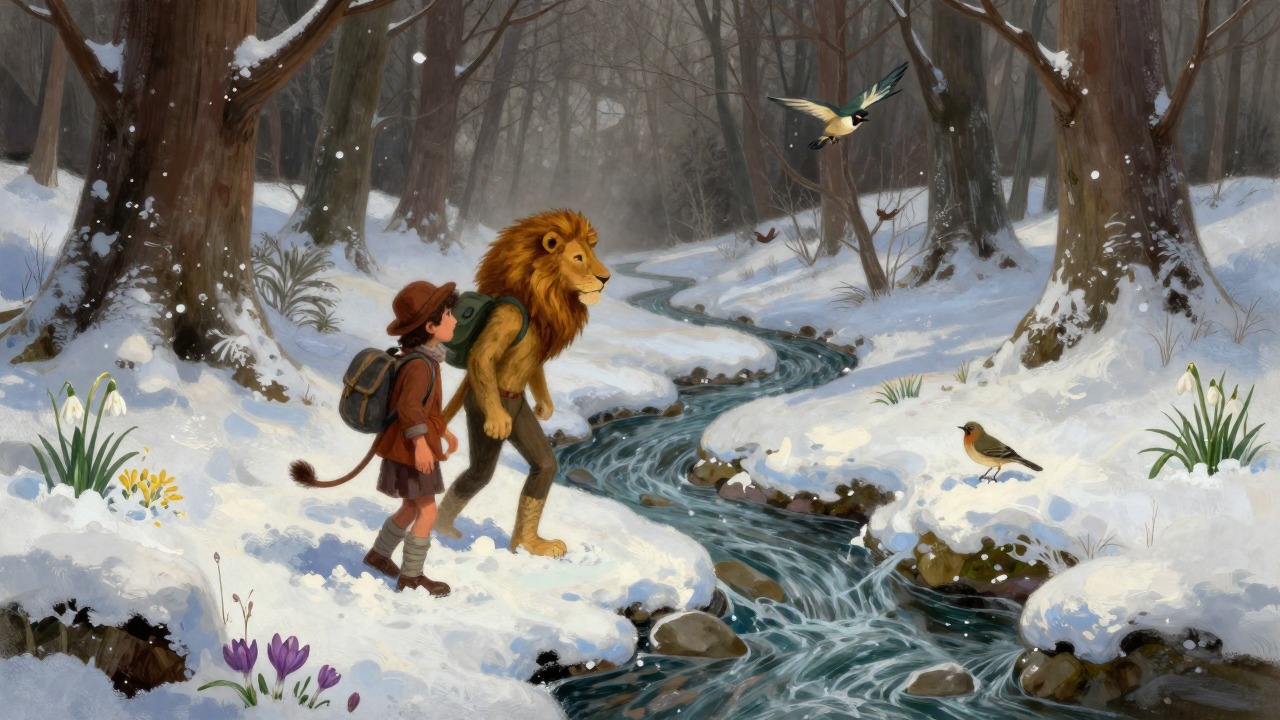
The Signs of Spring
The Melting Snow
As the children travel, the snow turns to slush. Streams begin to flow. The air becomes warmer.
The Flowers and Birds
Celandines, snowdrops, and crocuses appear. The woods fill with birdsong. The transformation is rapid and joyful.
The Meaning of the Thaw
The thaw is Aslan's doing. It shows that the Witch's power is breaking. Spring is the physical evidence of hope.
The Full Spring
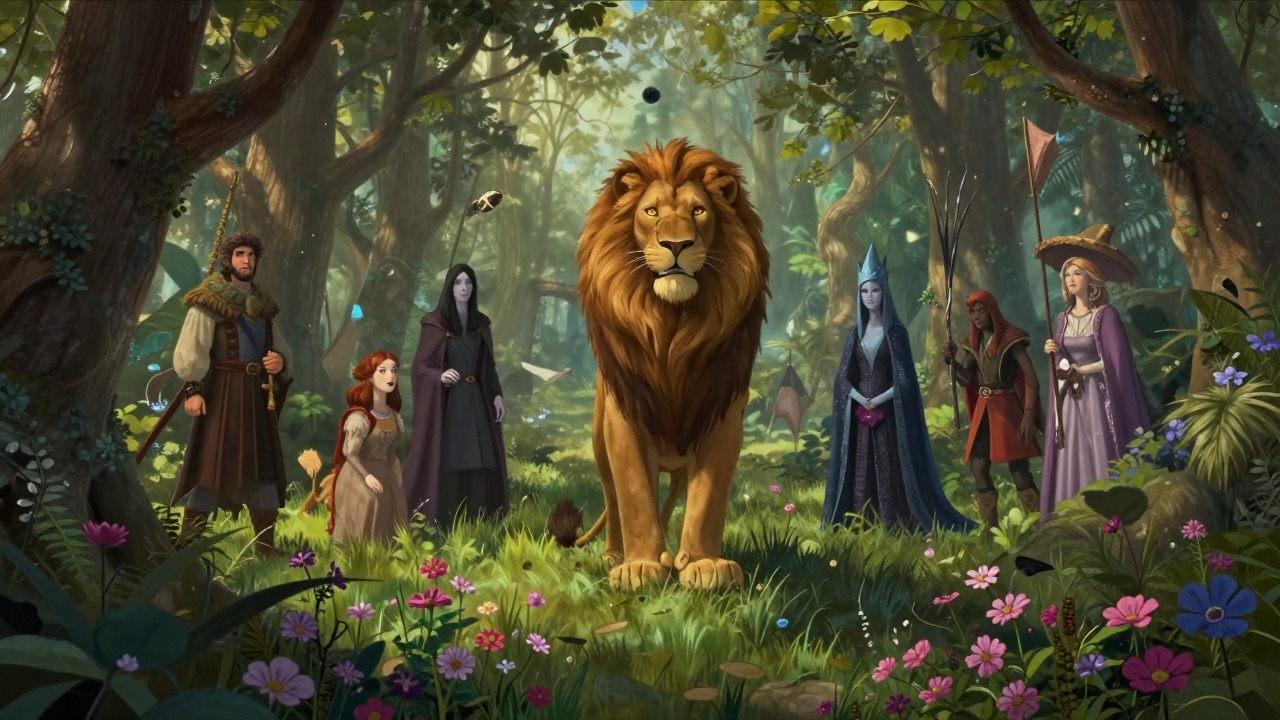
The Victory of Life
The Complete Transformation
By the time of the battle, Narnia is in full spring. The grass is green, trees are in leaf, and flowers bloom everywhere.
The Symbolism
Spring represents the triumph of Aslan's life-giving power over the Witch's deathly winter. The season change is a character in itself.
The Eternal Spring
After the Witch's death, Narnia enjoys a golden age. The winter is gone forever. The conflict between winter and spring is resolved.
Beginning of the story, in Narnia
After Father Christmas's visit, during the journey
After Aslan's resurrection, the final battle
